From the blog
Heat Pumps vs. Traditional HVAC: What's the Right Fit for Your Home?
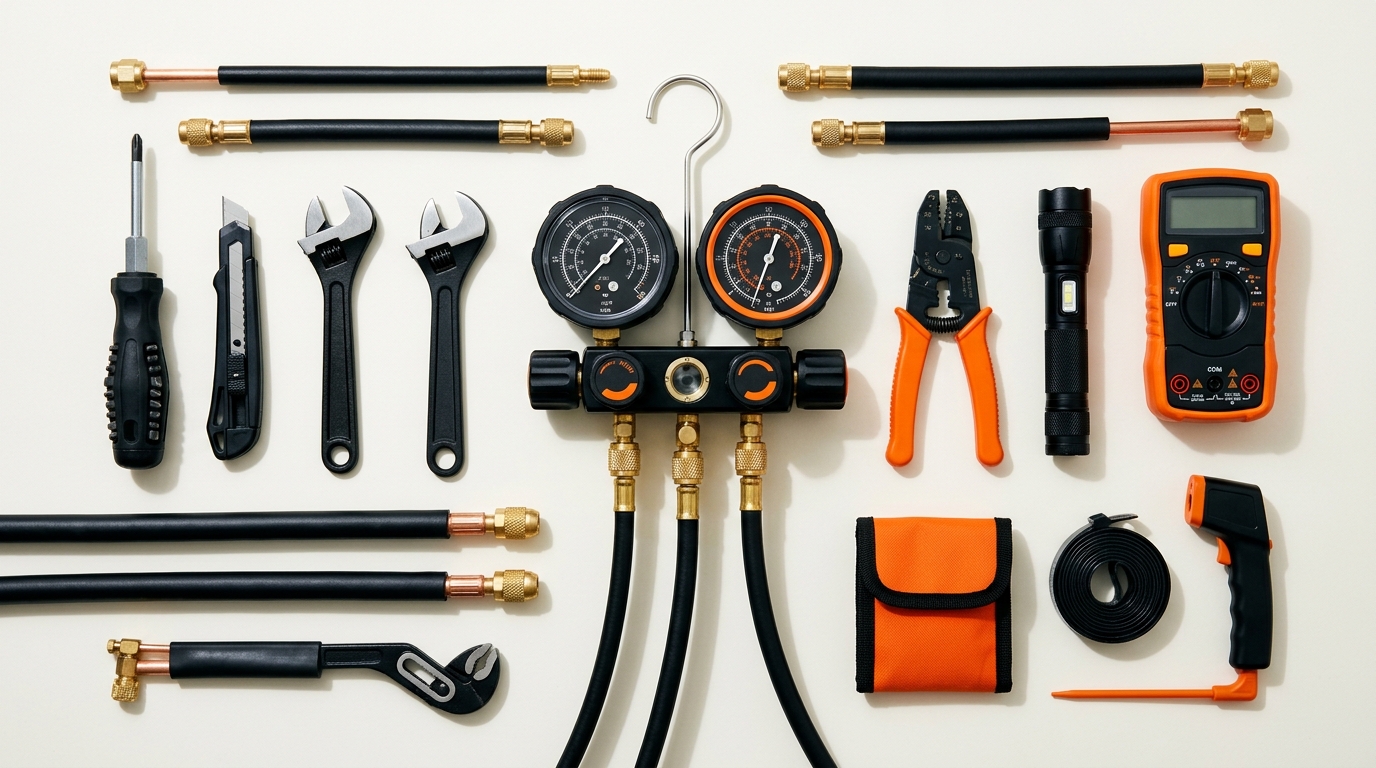
Heat pumps are more efficient than traditional HVAC systems in most U.S. climates, delivering 200–400% efficiency (a coefficient of performance of 2–4) compared to gas furnaces that top out at 98% AFUE. But efficiency alone doesn't decide the winner - your climate, existing ductwork, fuel costs, and upfront budget all shape the right answer for your specific home.
How Each System Works
A traditional HVAC system pairs a gas furnace (or electric resistance furnace) with a central air conditioner. The furnace burns fuel to generate heat in winter; the AC runs a refrigerant cycle to remove heat from indoor air in summer. These are two separate mechanical processes handled by two separate units.
A heat pump handles both jobs with one system. It moves heat rather than generating it - pulling heat from outdoor air (or the ground, in geothermal systems) into your home in winter, and reversing the cycle to push heat outside in summer. Because it's moving energy rather than creating it, a heat pump can deliver three to four units of heating energy for every one unit of electricity consumed.
Efficiency: The Numbers Side by Side
Metric Heat Pump (Air-Source) Gas Furnace + AC Heating efficiency rating COP 2–4 (200–400%) Up to 98% AFUE Cooling efficiency rating SEER2 up to 22+ SEER2 up to 22+ Fuel source Electricity only Natural gas + electricity Cold-climate performance Effective to –13°F (cold-climate models) Consistent in all temperatures Carbon emissions Low (grid-dependent) Higher (combustion-based) Typical system lifespan 15–20 years Furnace 15–20 yrs / AC 15 yrsUpfront Costs vs. Long-Term Savings
In 2026, a ducted air-source heat pump system installed in an average 2,000 sq ft home runs between $5,000 and $12,000 depending on brand, capacity, and regional labor rates. A comparable gas furnace and central AC combo typically costs $6,000 to $14,000 installed - so the sticker price difference is smaller than many homeowners expect.
Where heat pumps pull ahead is operating cost. In regions where natural gas prices are high or electricity rates are competitive, heat pump owners commonly see 30–50% lower annual heating bills compared to gas furnace users. Pair a heat pump with rooftop solar and that advantage compounds further.
The federal Energy Efficient Home Improvement Credit (Section 25C) covers 30% of heat pump installation costs, up to $2,000 per year. Many state and utility programs stack additional rebates on top - in some states, qualified households receive up to $8,000 back through the Inflation Reduction Act-funded rebate programs that have continued into 2026. Run those numbers before dismissing a heat pump on price alone.
Climate Compatibility: Where Each System Wins
Climate is the single biggest factor in this decision.
- Mild to moderate climates (USDA Zones 4–8): Heat pumps are the clear winner. Winters rarely drop below 20°F for extended periods, and the heat pump runs efficiently all season with no backup heat needed.
- Hot, humid climates (Southeast U.S., Gulf Coast): Heat pumps excel here. Cooling demand is high, and mild winters mean you're spending most of your runtime in the highly efficient cooling mode.
- Cold climates (Upper Midwest, Northeast, Mountain West): Modern cold-climate heat pumps - like those in the Bosch IDS 2.0, Mitsubishi Hyper Heat, and Daikin Fit lineups - maintain rated output at –13°F. These models close the performance gap dramatically. A hybrid system pairing a heat pump with a gas furnace backup is a practical middle ground in Zone 5 and colder.
- Dry, cold climates with cheap natural gas: Traditional HVAC holds its ground here. If your local gas rates are low and winters are severe, the economics may still favor a high-efficiency gas furnace paired with a modern central AC.
Ductwork: A Practical Consideration
Homes with existing forced-air ductwork can usually swap in a heat pump with minimal modification - the air handler and refrigerant lines replace the old equipment while the duct system stays in place. Homes without ducts have two options:
- Ductless mini-split heat pumps: Wall-mounted indoor units connect to an outdoor compressor. Brands like Mitsubishi, LG, and Fujitsu dominate this space. Installation costs run $3,000–$7,000 per zone. These are ideal for additions, older homes, or room-by-room zoning.
- Installing new ductwork: Adds $3,000–$10,000 to the project and often disrupts finished walls and ceilings. It's rarely the most cost-effective path unless you're doing a major renovation anyway.
Five Key Differences: Heat Pump vs. Traditional HVAC
- Operating principle: Heat pumps move heat; furnaces generate it through combustion.
- Energy source: Heat pumps run entirely on electricity; traditional HVAC splits between gas and electric.
- System count: One heat pump replaces two systems (furnace + AC); traditional HVAC requires both.
- Cold-weather performance: Gas furnaces don't lose capacity in extreme cold; heat pumps can (though cold-climate models reduce this gap significantly).
- Emissions footprint: Heat pumps produce zero on-site combustion emissions; gas furnaces emit CO₂ and NOx at the point of use.
Which System Should You Choose?
Choose a heat pump if you live in USDA Climate Zones 1–6, your electricity grid is reasonably clean, you're replacing an aging AC unit anyway, or you want to reduce your home's carbon footprint and lower long-term operating costs. A cold-climate model handles nearly any North American winter with ease in 2026.
Choose traditional HVAC if you're in a region with extremely cheap natural gas, very harsh winters where grid reliability is a concern, or if the cost of electrical panel upgrades (often $1,500–$4,000) to support a heat pump creates a prohibitive upfront barrier.
The hybrid heat pump- a heat pump that works alongside a gas furnace, with the furnace kicking in only below a set balance point (typically 30–35°F) - is the smart compromise for homeowners in cold climates who want efficiency gains without sacrificing winter reliability.
Whatever direction you lean, get at least three quotes from licensed HVAC contractors who perform Manual J load calculations. Undersized or oversized equipment kills efficiency regardless of which technology you choose.
Are heat pumps effective in very cold climates like Minnesota or Maine?
Yes. Cold-climate heat pumps from Mitsubishi (Hyper Heat series), Bosch (IDS 2.0), and Daikin maintain rated heating output down to –13°F. A 2024 field study by the Northeast Energy Efficiency Partnerships confirmed that cold-climate heat pumps in Zone 6 homes reduced heating energy use by 35–45% compared to oil or electric resistance systems. For the coldest nights, a hybrid system adds a gas furnace as backup without sacrificing the efficiency benefits for the other 95% of the heating season.
How much does a heat pump installation cost in 2026?
A ducted air-source heat pump installation in an average 2,000 sq ft home costs $5,000–$12,000 before rebates. After applying the 30% federal Energy Efficient Home Improvement Credit (up to $2,000) plus state and utility rebates - which in some states reach $8,000 for qualified households - the net cost can drop to $3,000–$6,000. Ductless mini-split systems run $3,000–$7,000 per zone installed.
Do heat pumps work as air conditioners?
A heat pump IS an air conditioner - the same refrigerant cycle runs in reverse. In cooling mode, a heat pump performs identically to a traditional central AC unit. Modern heat pumps carry SEER2 ratings up to 22+, matching the most efficient traditional AC systems on the market.
What is a hybrid heat pump system?
A hybrid heat pump (also called a dual-fuel system) pairs an electric heat pump with a gas furnace. The heat pump handles heating and cooling during mild and moderate temperatures - when it operates most efficiently - and the furnace activates automatically below a preset outdoor temperature (typically 30–35°F). This setup captures most of the heat pump's efficiency benefits while keeping the furnace as a reliable backup for extreme cold snaps.
Will switching to a heat pump require electrical panel upgrades?
Not always, but often. Most ducted heat pumps require a 240V circuit rated at 30–60 amps. If your panel is already handling multiple 240V appliances - electric dryer, water heater, EV charger - you may need a panel upgrade costing $1,500–$4,000. A qualified electrician can assess your current capacity before installation. Some ductless mini-split systems run on 120V at lower capacities, reducing this concern for smaller zones.
